
District
Central Delhi
History, legends, must-visit places, legendary food joints, major events and personalities — with pictures, sources and attributions.Central Delhi is the historic — and still beating — heart of India’s capital. In a few square kilometres you can move from the Mughal-era Red Fort and narrow lanes of Cha
34 views · last 7 days
▲ 14 momentum
325 all-time views
What you're looking at · a pilot performance-analytics framework
BallotBoxIndia treats a district's development like a shared fund, and every socio-political innovator — leader, NGO, business, expert, journalist, activist — like a contributor whose impact we try to measure. The scores here are an experiment to tell apart what an innovator actually moved (नेता का हाथ · their real contribution) from what circumstance carried (हालात · the wave).
Contribution ≈ Alpha
Circumstance ≈ Beta
Experimental · community-verified
Who's building Central Delhi
Parties, leaders and experts active in this district. Attribution is estimated from public activity — not an official record.
Political parties & representatives (3)

Leaders & listed citizens (28)

Deepika Chaudhary
▲ 14582 contribution

Annie Joseph
▲ 39 contribution

Kishan Singh Rawat
▲ 34 contribution

Satyendra Mishra
▲ 29 contribution

Sharique Manazir
▲ 15 contribution

khushbu Kaplesh
▲ 6 contribution

Narendra Modi
▲ 6 contribution

Shiv Pratap Singh Pawar
▲ 5 contribution

Ajay Pandey
▲ 4 contribution

Asshish Ranjan Singh
▲ 3 contribution

Chandraveer Singh
▲ 2 contribution

Sardar RPsingh
▲ 2 contribution

Shivcharan Goel
▲ 2 contribution

Sunil Yadav
▲ 2 contribution

Suman KumarGupta
▲ 2 contribution

Rocky Tuseed
▲ 2 contribution

Rajnath Singh
▲ 2 contribution

Surendra Kumar
▲ 2 contribution

Anurudh Lal
▲ 2 contribution

Satyendra Kumar
▲ 2 contribution

Parlad SinghSawhney
▲ 2 contribution
.jpg)
Build Charette
▲ 2 contribution

Pravesh Ratn
▲ 2 contribution

Sanjay Kumar
▲ 2 contribution

PM Narendra Modi
▲ 2 contribution

Ram Yadav
▲ 2 contribution


Experts (3)

Anant Srivastava
▲ 1153 contribution
Anant Srivastava
▲ 1153 contribution

Mohd. Irshad Saifi
▲ 560 contribution
Latest updates from Central Delhi
Recent posts and research updates from leaders and agencies active in this district.








Action research in Central Delhi (60)
Ward-level and district projects where problems are being worked. Contribution accrues to whoever moves each milestone.

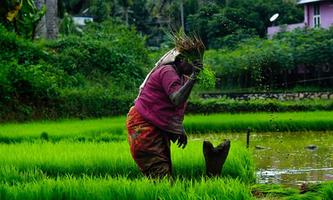
भारतीय कृषि व्यवस्था : ऐतिहासिक परिप्रेक्ष्य एवं भविष्य की योजना
South Avenue(Central Delhi--110011)
5 members

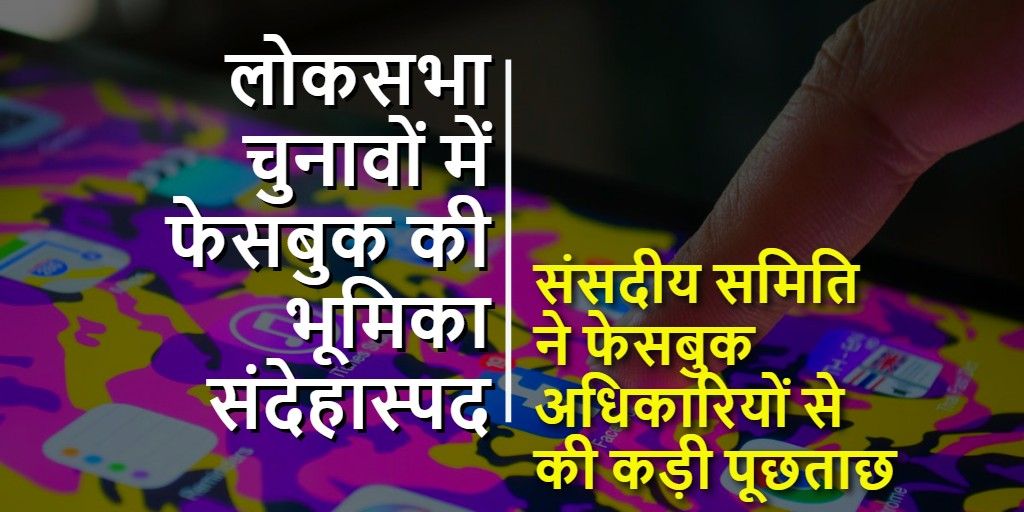
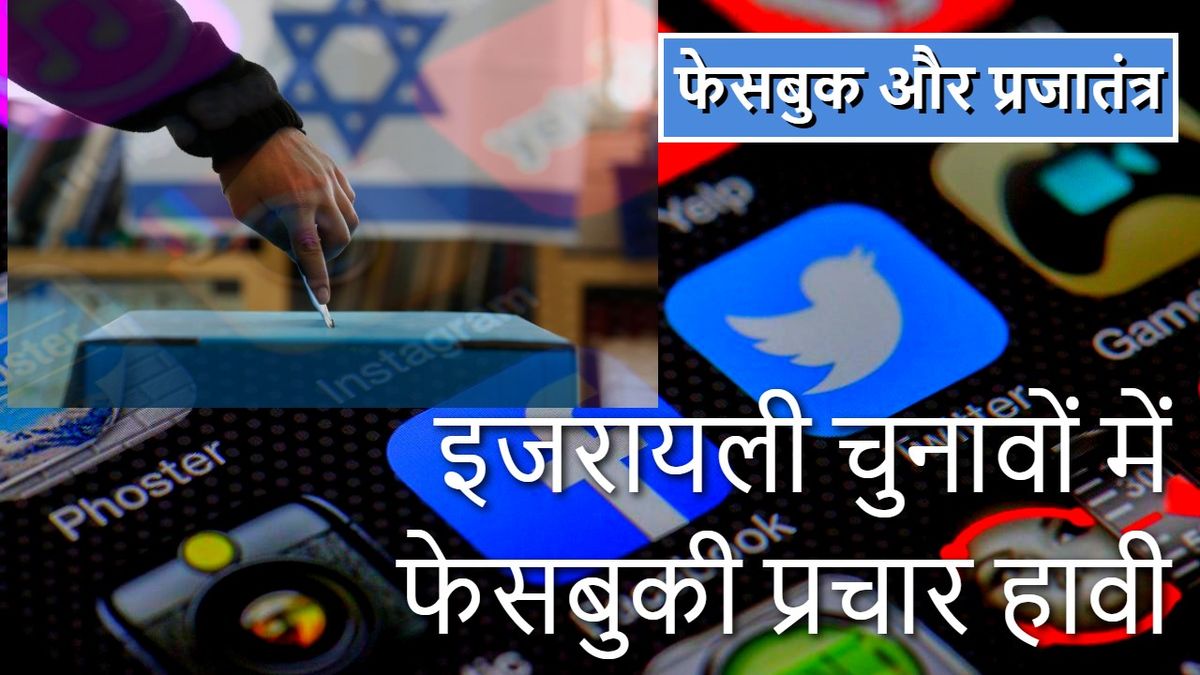
Fake Information on Facebook – Broken democracies and Criminal Culpability on Facebook Owners, a Research
Agri India, C-74,OIE, Phase-I(Central Delhi--110501)
4 members

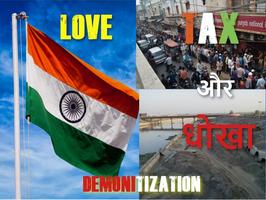
Demonetization (Currency Ban) in India- All you need to know about.
Rajender Nagar(Central Delhi--110060)
4 members
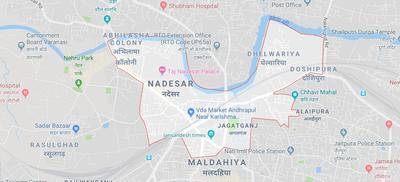
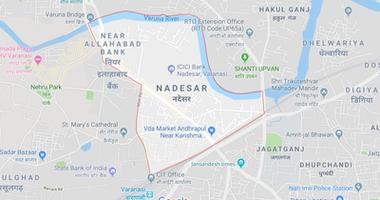


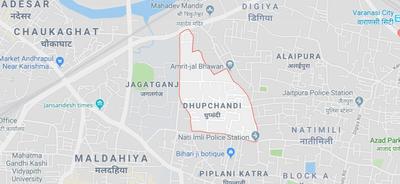

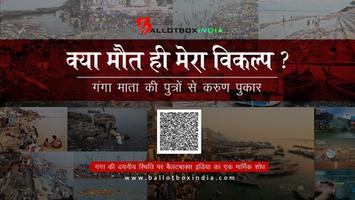
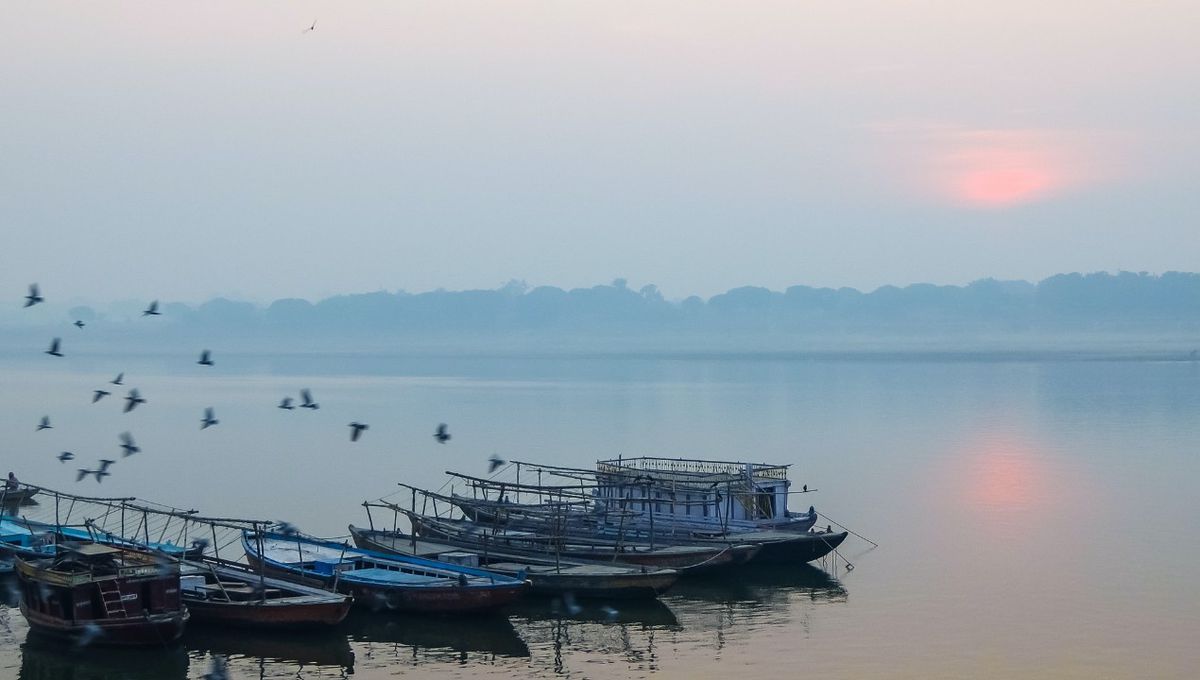
गंगा माता की पुत्रों से करुण पुकार...क्या मौत ही मेरा विकल्प
Rajender Nagar(Central Delhi--110060)
3 members
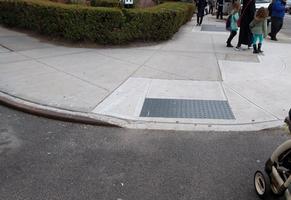
Persons with Disability, Divyang & Inclusive growth Debate in New India
Rajender Nagar(Central Delhi--110060)
3 members
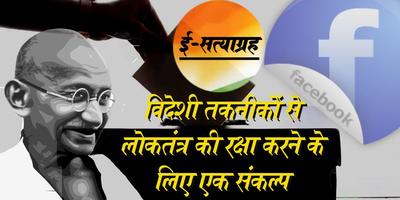
ई-सत्याग्रह - नव-उपनिवेशवाद की पर्याय विदेशी प्रत्यारोपित तकनीक से लोकतंत्र की रक्षा करने के लिए एक संकल्प
South Avenue(Central Delhi--110011)
2 members
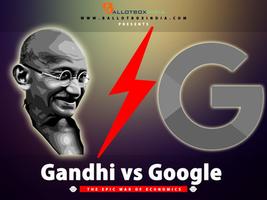

पुरानी पत्रकारिता बनाम नई पत्रकारिता - गूगल के साम्राज्य में ख़बरों की मार्केटिंग और पत्रकारिता का भविष्य
Agri India, C-74,OIE, Phase-I(Central Delhi--110501)
2 members

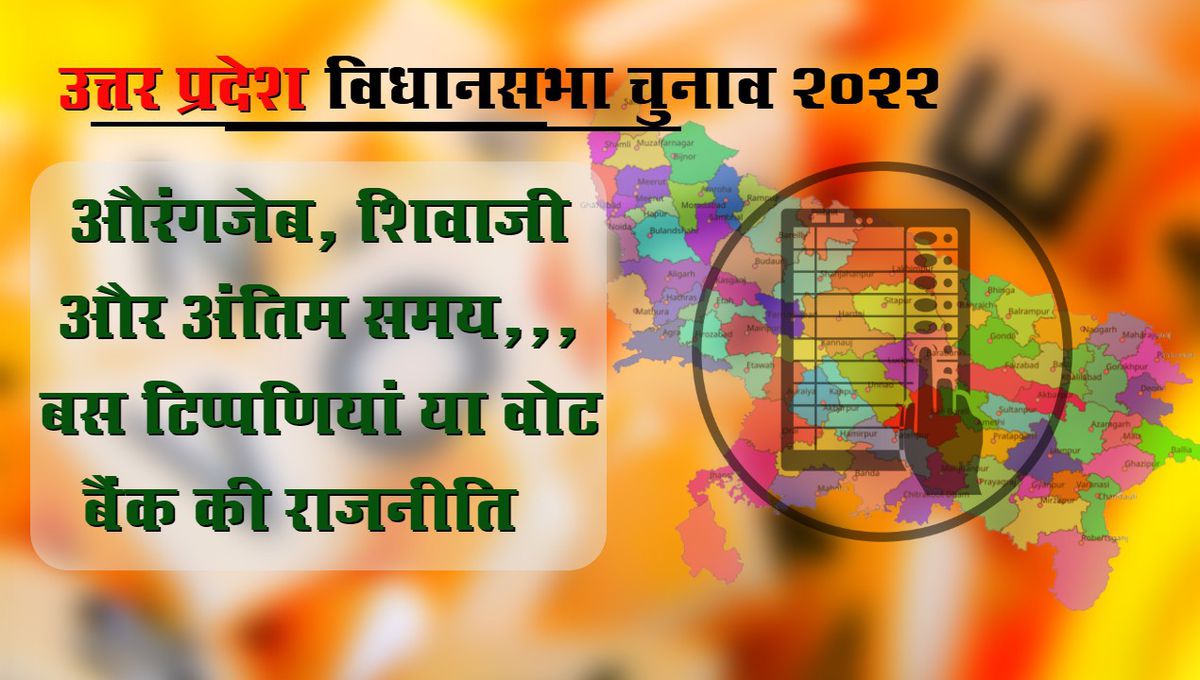
उत्तर प्रदेश विधानसभा चुनाव 2022 - विकास की राजनीति या वोटों की गिनती, आइए करें राजनीतिक मंथन
South Avenue(Central Delhi--110011)
1 members
कोयला खनन की बलि चढ़ता हसदेव अरण्य - क्या छत्तीसगढ़ के श्वसन तंत्र को लील जाएगा औद्योगिक कोरोना
South Avenue(Central Delhi--110011)
1 members

फ्राइडे फॉर फ्यूचर – एक मुहिम जलवायु परिवर्तन की, ताकि धरती का भविष्य हो सुरक्षित
South Avenue(Central Delhi--110011)
1 members
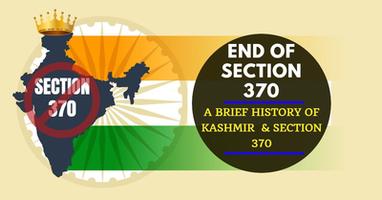
जम्मू-कश्मीर में अनुच्छेद 370 में ऐतिहासिक बदलाव – 70 वर्ष बाद कश्मीर से कन्याकुमारी तक होगा अखंड भारत
South Avenue(Central Delhi--110011)
1 members
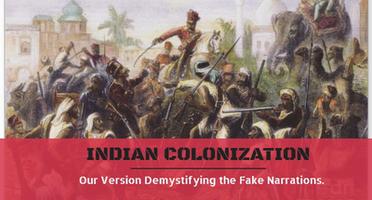
Indian Colonization and a $45 Trillion Fake-Narration - Tracking World Economics, Culture and Politics
Agri India, C-74,OIE, Phase-I(Central Delhi--110501)
1 members
भारतीय नेतृत्व और डेवलपमेंट कम्युनिकेशन (विकास संचार) : निरंतरता, समानता और विकास
South Avenue(Central Delhi--110011)
1 members
भारत में प्राइवेट स्कूलों की मनमानी कब होगी बंद - अब जरुरत है बदलाव की
Rajender Nagar(Central Delhi--110060)
1 members

Why Mr. Jack Dorsey should do humanity a favor and shut down Twitter?
Rajender Nagar(Central Delhi--110060)
1 members
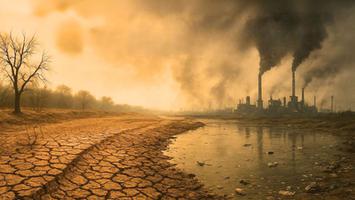
हम हवा-पानी सोखन लगे, तो को कर सकै उद्धार - विश्व नमभूमि दिवस - दो फरवरी, 2017 पर विशेष
Rajender Nagar(Central Delhi--110060)
1 members
Institutions in Central Delhi
Government agencies, NGOs, businesses, media and institutions linked to this district.
Reference data & background — source: Census 2011 & editorial notes, may be outdated
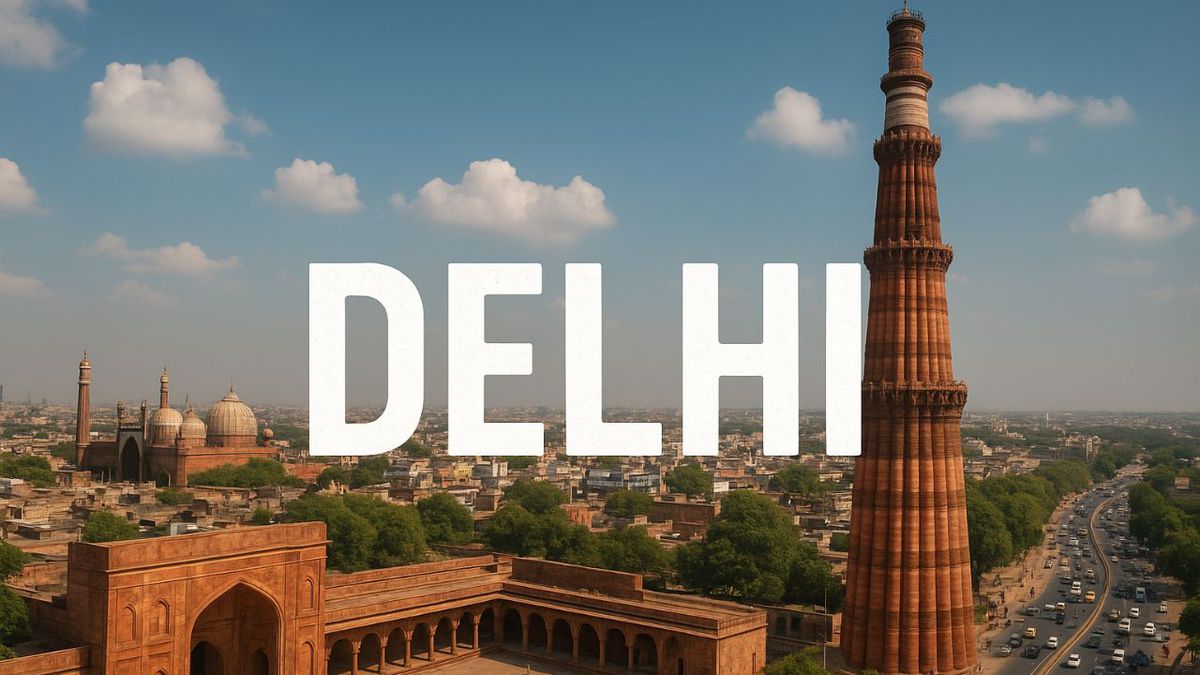
History, legends, must-visit places, legendary food joints, major events and personalities — with pictures, sources and attributions.
Central Delhi is the historic — and still beating — heart of India’s capital. In a few square kilometres you can move from the Mughal-era Red Fort and narrow lanes of Chandni Chowk to the broad British avenues of Connaught Place and the war-memorial silhouette of India Gate. That contrast — dense, layered and cinematic — is Central Delhi’s personality: a place where emperors, colonials and modern Indians all left footprints you can still walk through today.
A short history
Delhi has been rebuilt and reimagined many times. The area we call Central Delhi today sits over centuries of history: medieval and Mughal Delhi (when Shah Jahan planned Shahjahanabad — Old Delhi), the trauma and aftermath of 1857, the British decision to build a new imperial capital in the early 20th century (Lutyens’ New Delhi), and India’s modern political life since 1947. Each phase left architecture, street-patterns and institutions — from the alleys of Chandni Chowk to the boulevards of Connaught Place.
What to see
1. Red Fort (Lal Qila)
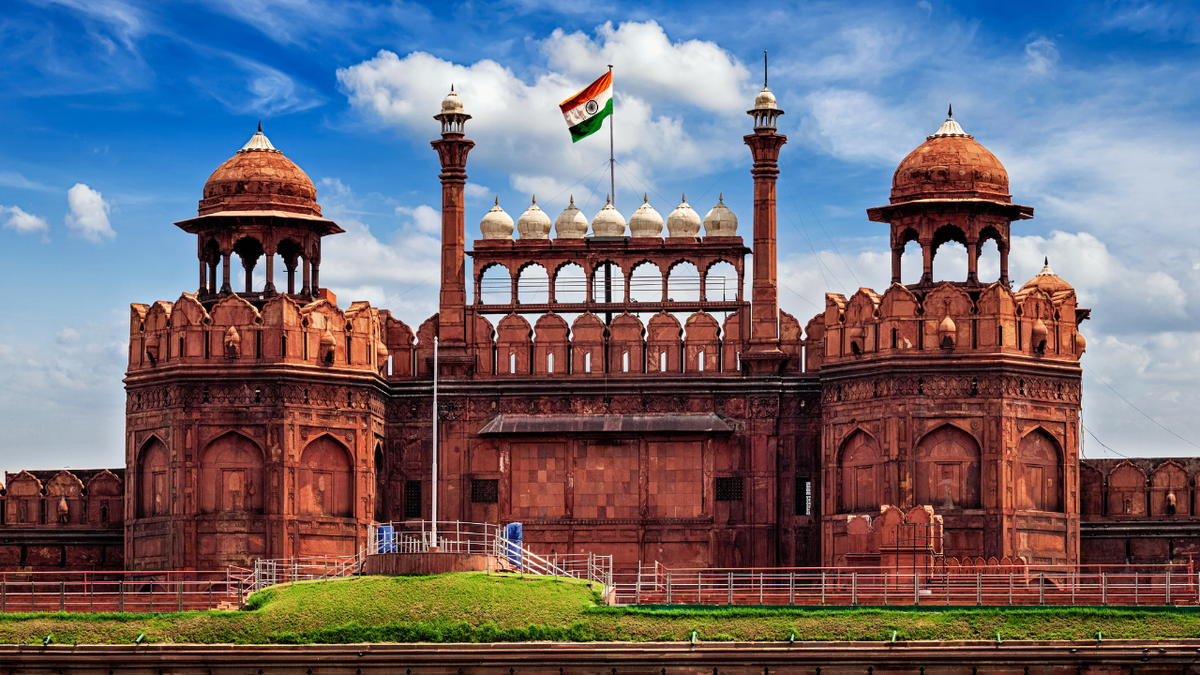
A UNESCO World Heritage site and the symbolic focal point of India’s Independence Day flag ceremony, the Red Fort is Shah Jahan’s 17th-century statement in red sandstone. Walk the ramparts, imagine the Mughal courts, and notice how British and later Indian history re-used this massive compound.
2. Chandni Chowk & Jama Masjid
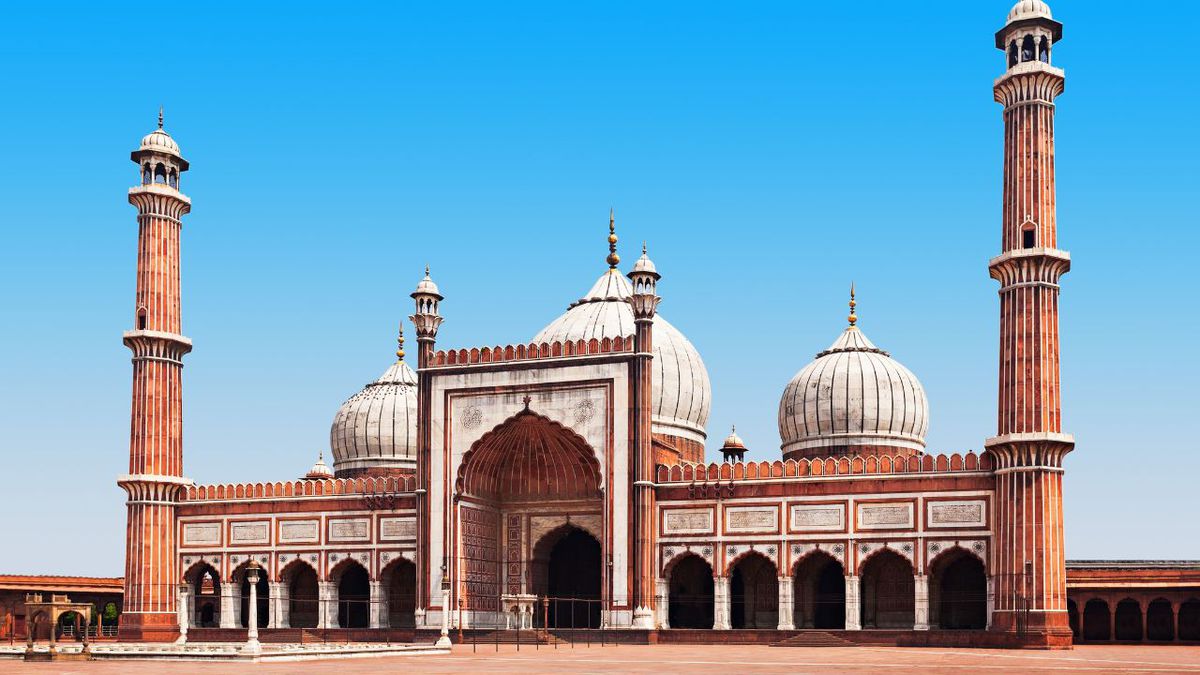
Founded by Jahanara Begum when Shah Jahan created Shahjahanabad (Old Delhi), Chandni Chowk is a living market — narrow, loud, intoxicating. Nearby the colossal Jama Masjid (one of South Asia’s largest mosques) crowns the skyline. The alleyways around here are food-streets, jewellery bazaars and history rolled together.
3. Connaught Place (Rajiv Chowk)
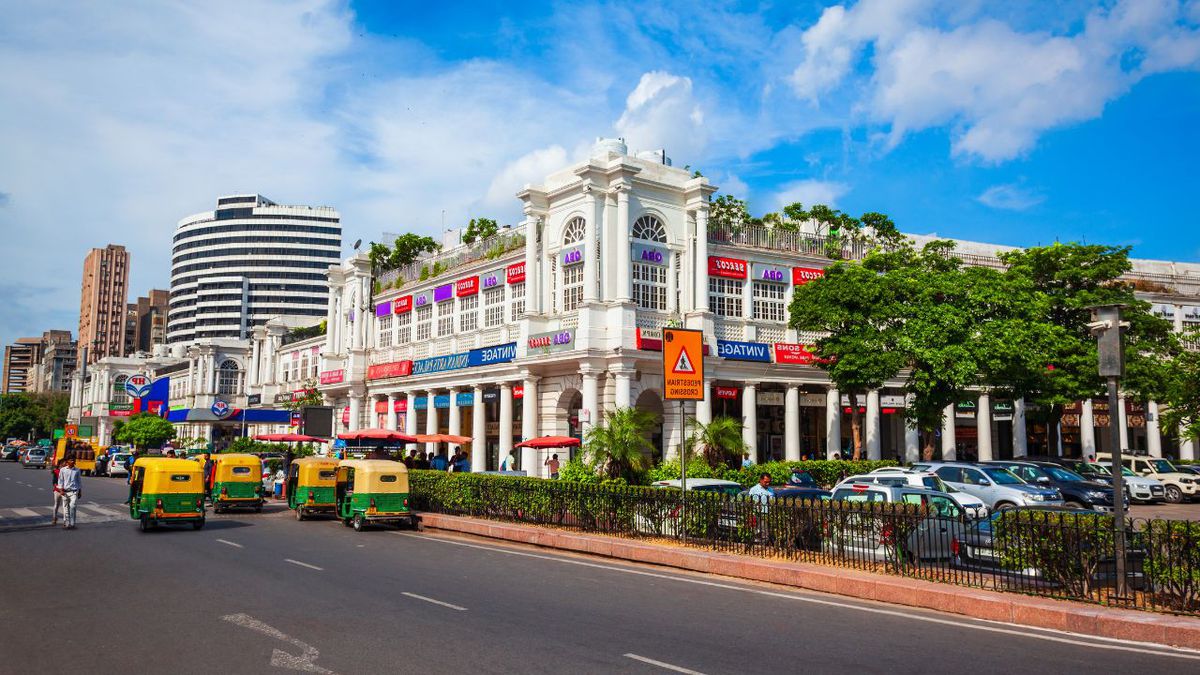
Designed by the British in the 1910s–30s as a grand commercial circle in the new imperial capital, Connaught Place (CP) remains the city’s social and shopping core — colonial colonnades, historic bakeries and late-night cafés. It’s also a great place to see how New Delhi differs from Old Delhi: broader streets, planned open spaces, and cosmopolitan energy.
4. India Gate & Rajpath
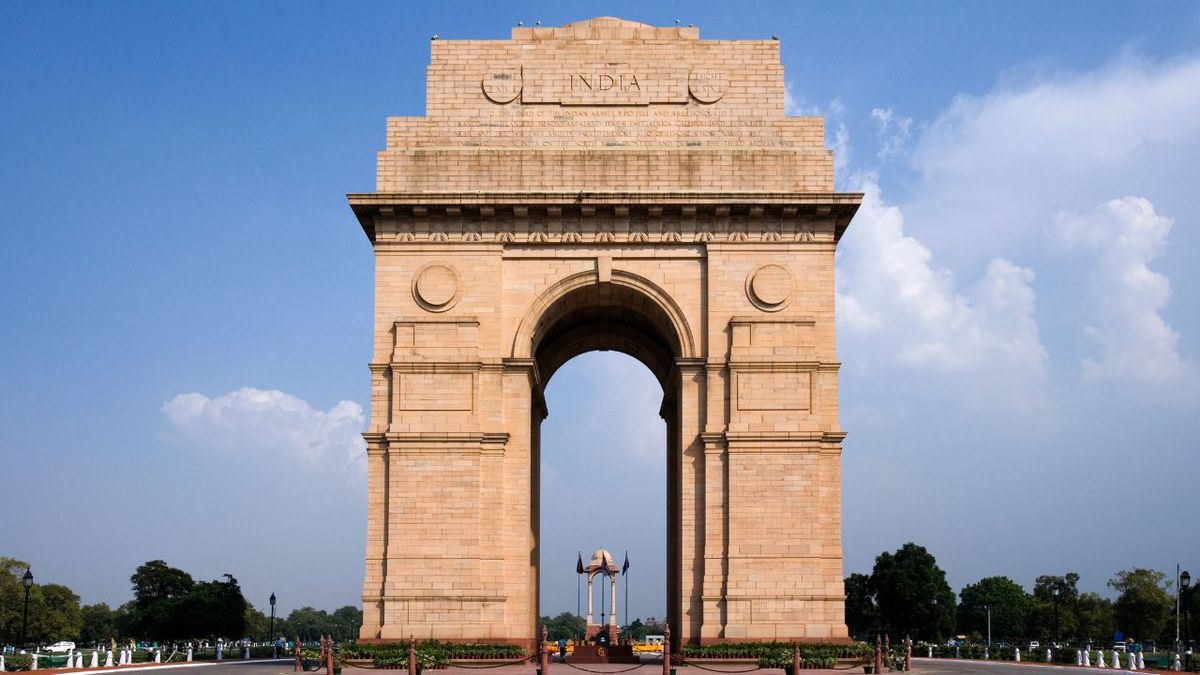
A 20th-century war memorial by Lutyens that now forms the ceremonial core of New Delhi. The lawns and avenue draws families, tourists and national ceremonies.
Legendary (and still-talked-about) food joints to mention
Central Delhi is as much about taste as it is about monuments. Mention these names and locals will light up.
Karim’s (near Jama Masjid) — Founded in 1913, Karim’s is the living legend of Mughlai cooking in Old Delhi (nihari, korma, kebabs).
Paranthe Wali Gali (Chandni Chowk) — For over a century the narrow lane that specialises in stuffed parathas has been a must-visit. Classic stalls in the lane date to the late 19th century.
Old Famous Jalebi Wala / Ghantewala (Chandni Chowk) — historic sweet shops (Ghantewala cited by official Delhi tourism as 200+ years old; Old Famous Jalebi Wala established in the 19th century) — the jalebi + rabri experience is part of the Old Delhi food mythos. (Note: some original shops have changed/closed over decades, but the legacy places remain iconic.)
Short list — major historical events centered in Central Delhi
(Useful as a checklist for a history-led reel or carousel.)
Founding of Shahjahanabad (ca. 1639–1650) — Shah Jahan’s capital (Old Delhi) — laid out around the Red Fort and Chandni Chowk.
British capture & the 1857 Revolt — Delhi was a principal centre of the 1857 uprising; Bahadur Shah Zafar was proclaimed symbolic leader, and the fall of Delhi marked the effective end of Mughal political power.
Delhi Durbars and decision to move the imperial capital (1911) — The 1911 Durbar and the later creation of Lutyens’ New Delhi reshaped Central Delhi’s map (Parade, India Gate, Connaught Place etc.).
Transfer of power & Independence (1947) — Red Fort becomes the site for the Prime Minister’s flag-hoisting; Central Delhi is the ceremonial heart of independent India.
Post-Independence political life — parliament, presidential functions, and many mass movements and protests naturally centre on Central Delhi (Rashtrapati Bhavan–Parliament–Rajpath corridor).
Notable personalities associated with Central Delhi
Shah Jahan — Mughal emperor who founded Shahjahanabad and built the Red Fort.
Jahanara Begum — Shah Jahan’s daughter; credited with planning Chandni Chowk.
Bahadur Shah Zafar — the last Mughal emperor, central figure of 1857 events in Delhi.
Edwin Lutyens & Herbert Baker (architects) — the planners/architects behind New Delhi’s grand imperial layout (India Gate, Rajpath, government enclaves).
Freedom-era leaders (Nehru, Patel, Gandhi) — who used Central Delhi’s public spaces and institutions to shape modern India. (Rashtrapati Bhavan, Parliament, Red Fort ceremonies).
Are you moving Central Delhi forward?
Local experts, journalists, representatives and activists — bring your action research and be credited for the milestones you move. No money changes hands here; the currency is your effort and analysis, donated to your community.
Get on the record →