

District
New Delhi
New Delhi – The Power Capital of India & Heart of Modern DemocracyNew Delhi, the national capital of India, stands as a symbol of power, culture, architecture, and political heritage. Known for its wide tree-lined avenues, magnificent monuments, vibrant
32 views · last 7 days
▲ 13 momentum
494 all-time views
What you're looking at · a pilot performance-analytics framework
BallotBoxIndia treats a district's development like a shared fund, and every socio-political innovator — leader, NGO, business, expert, journalist, activist — like a contributor whose impact we try to measure. The scores here are an experiment to tell apart what an innovator actually moved (नेता का हाथ · their real contribution) from what circumstance carried (हालात · the wave).
Contribution ≈ Alpha
Circumstance ≈ Beta
Experimental · community-verified
Who's building New Delhi
Parties, leaders and experts active in this district. Attribution is estimated from public activity — not an official record.
Political parties & representatives (60)













Leaders & listed citizens (10)

ksri2006 K Iyer
▲ 23 contribution
.jpg)
Mukhtar Khan
▲ 9 contribution
deepakbhati99 Bhati
▲ 7 contribution

Atul Shukla
▲ 5 contribution
agrahari007
▲ 4 contribution

Dr Uday Narkar
▲ 3 contribution

Sandeep Singh
▲ 2 contribution
shyamshuklaji1 JI Shukla
▲ 2 contribution
umaruddin2
▲ 2 contribution
mahesh sharmatsi
▲ 2 contribution
Experts (9)

Manoj Thakur
▲ 114 contribution

Pradeep Biradar
▲ 58 contribution

Alok Jha
▲ 5 contribution

Ananya Deb Mallick
▲ 1 contribution

Siddhartha Dhoundiyal
▲ 1 contribution
Siddhartha Dhoundiyal
▲ 1 contribution
Siddhartha Dhoundiyal
▲ 1 contribution
Siddhartha Dhoundiyal
▲ 1 contribution

mdnoman
▲ 1 contribution
Latest updates from New Delhi
Recent posts and research updates from leaders and agencies active in this district.




Action research in New Delhi (43)
Ward-level and district projects where problems are being worked. Contribution accrues to whoever moves each milestone.
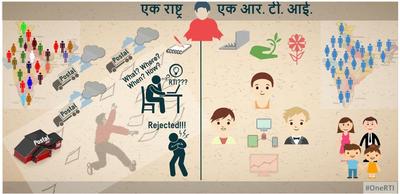
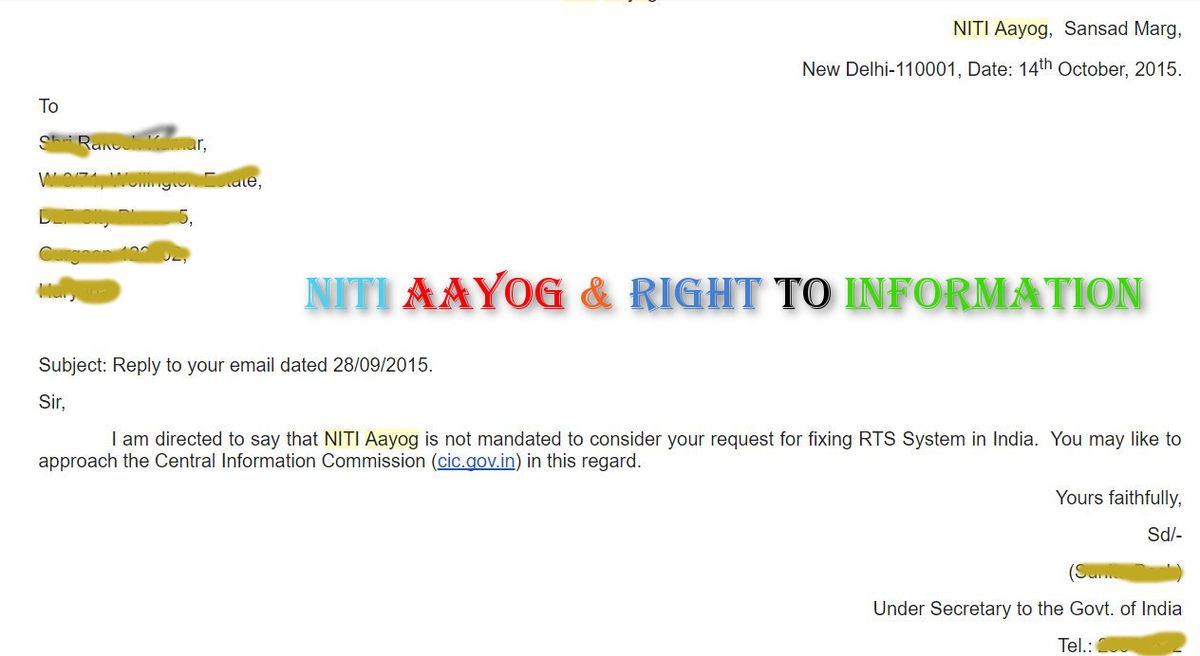
Right to information (RTI Act 2005) India - One Nation #OneRTI
Parliament House(New Delhi--110001)
12 members
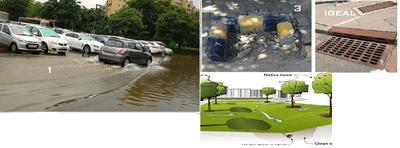
Stormwater management in India- Why, How and What can be done.
Parliament House(New Delhi--110001)
10 members
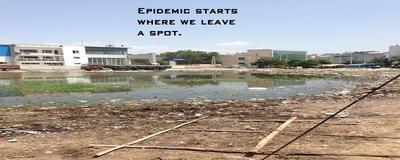
Serial Dengue and chikungunya epidemics, dismal Drainages and Sewerages treatment, Polluted Water Systems and the Clean India - An analysis
Parliament House(New Delhi--110001)
10 members

साबरमती रिवरफ्रंट देश में बना उदहारण मगर दूसरे पहलुओं पर भी विचार किये जाने की जरूरत
Parliament House(New Delhi--110001)
9 members
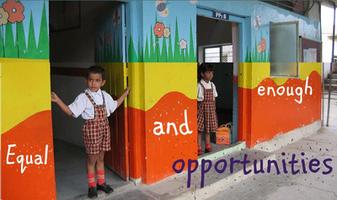
Right to education India - How to Skill Millions, Fighting Pits Vs. Enough opportunities.
Parliament House(New Delhi--110001)
9 members
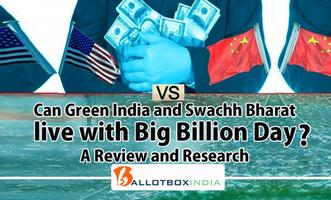
Can Green India and Swachh Bharat live with Big Billion Day? – A Review and Research
Parliament House(New Delhi--110001)
9 members
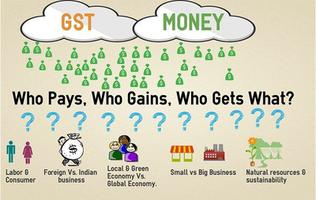
GST 2016 or Goods and Services Tax India - A Research on who gets what
Parliament House(New Delhi--110001)
7 members
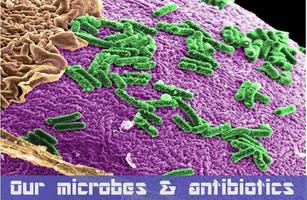
Microbes, Bacteria and Antibiotics- The crucial balance.
Parliament House(New Delhi--110001)
7 members
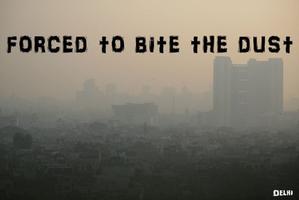

Right to Information (RTI Act 2005) - Support Digital and #OneRTI for Union Territories and India
Secretariat North(New Delhi--110001)
7 members

Digital marketing evolution and Basic Concepts - Bringing back the Sanity of Internet
Parliament House(New Delhi--110001)
6 members

Industrial Food Processing – American experience and lessons for India
Parliament House(New Delhi--110001)
6 members
Reforesting India Can we grow 3 billion more trees and keep them alive for 40 years
Parliament House(New Delhi--110001)
6 members
WE, THE PEOPLE - And our Shared responsibility on community building spectrum.
Parliament House(New Delhi--110001)
6 members
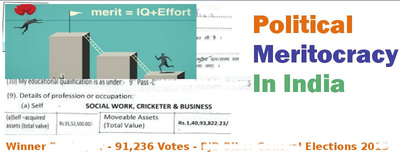
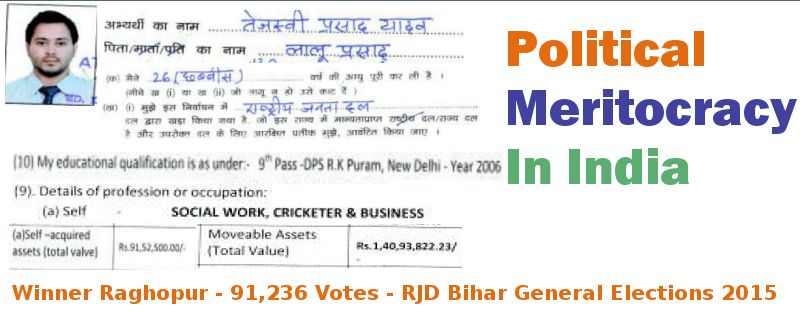
Political Meritocracy in India - Isn't it the right time
Parliament House(New Delhi--110001)
6 members
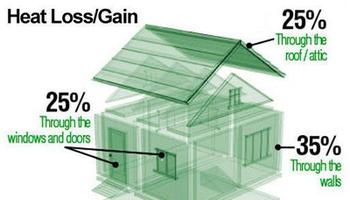
How Energy loss in our buildings is hurting the planet
Parliament House(New Delhi--110001)
5 members
Indian Roads maintenance and sustainability- A review on best practices.
Parliament House(New Delhi--110001)
5 members


This Deepawali - Let our kids have fun, grown ups prepare to neutralize.
Parliament House(New Delhi--110001)
4 members
What's in my plate? Food and Nutrition security in India
Parliament House(New Delhi--110001)
4 members
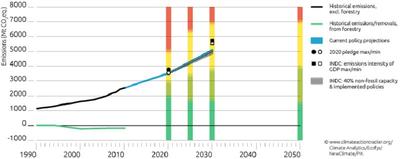
@COP21 - India Sets a cost of 2.5 Trillion Dollars just to maintain our carbon emission rates by 2030- Is it realistic with our inefficiencies.
Parliament House(New Delhi--110001)
4 members
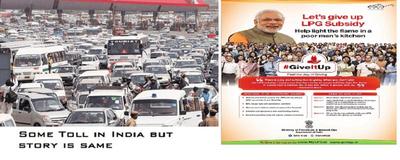
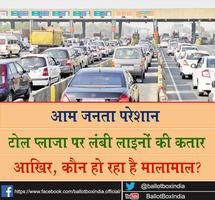
Toll Road Systems in India, Can Electronic Toll collection with #giveitup fix it
Parliament House(New Delhi--110001)
4 members
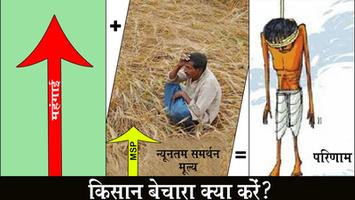
सरकार की गलत नीति और महंगाई की मार झेलते किसानों के लिए खेती करना मुश्किल, चारा आत्महत्या – आकड़ें, रिपोर्ट और विश्लेषण
Parliament House(New Delhi--110001)
3 members
एक प्रश्न - भारत के प्रधानमंत्री नरेन्द्र मोदी का कितना महत्वपूर्ण है ‘टाइम पर्सन ऑफ द ईयर’ चुना जाना
Parliament House(New Delhi--110001)
3 members
Rajniti Vs Rajyaniti - have we made a historic mistake in translation
Parliament House(New Delhi--110001)
3 members

Making sure maintenance of public toilets & facilities in India
Parliament House(New Delhi--110001)
3 members
Right to Information - Support Digital and #OneRTI for Mizoram and India
Parliament House(New Delhi--110001)
3 members
Smart Cities or Smart, Efficient and Sustainable Urban Scapes - Comparative Analysis
Parliament House(New Delhi--110001)
3 members
Public works and Roads-Lets take responsibility, adopt a road.
Parliament House(New Delhi--110001)
3 members
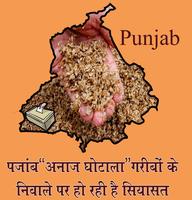
पंजाब में गरीबों के हित के लिए नहीं राजनीतिक फायदे के लिए मुद्दा बना ‘अनाज घोटाला’ – एक पड़ताल
Parliament House(New Delhi--110001)
2 members
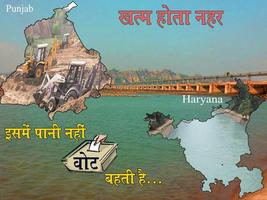
सतलुज-यमुना लिंक नहर (एसवाईएल), नहर खत्म मगर पंजाब-हरियाणा के बीच मुद्दा जिंदा – कारण और समीक्षा
Parliament House(New Delhi--110001)
2 members
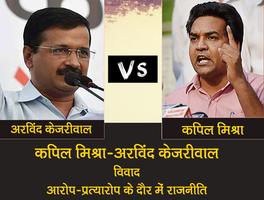
कपिल मिश्रा-अरविंद केजरीवाल विवाद, मुख्यमंत्री की चुप्पी सही नहीं, लोकतंत्र को मजबूत करने के लिए कड़े कदम जरुरी
Parliament House(New Delhi--110001)
1 members
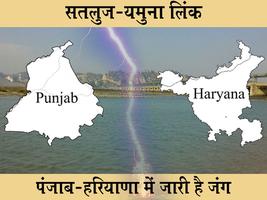
सतलुज-यमुना लिंक (एसवाईएल) पंजाब-हरियाणा के बीच वर्षों से जारी है टकराव - परिचय, समझौता और विवाद पर हमारी एक रिपोर्ट
Parliament House(New Delhi--110001)
1 members

Institutions in New Delhi
Government agencies, NGOs, businesses, media and institutions linked to this district.
Gujarat Pollution Control Board GOVTIndian Consulate, Consul General New York USA GOVTCentral Information Commission GOVT
Jansamarth Foundation NGOAam Aadmi Development and Improvement Society NGOJanwadi Lekhak Sangh NGOGomti River Waterkeeper NGOASHA NGOParyavaran Suraksha Samiti NGOGeetanjali Welfare Educational Samiti NGOSG Foundation NGOगोमती सेवा समाज NGOबजरंग दल NGOVishva Hindu Parisad NGOBajrang Dal NGORajneeti Ki Paathshala NGOतरुण भारत संघ NGOChetnad NGO
BallotBoxIndia BIZ
KENDRIYA VIDYALAYA EDUKENDRIYA VIDYALAYA EDUKENDRIYA VIDYALAYA EDUJAY PRAKASH NARAYAN SARVODAYA VIDYALAYA EDUJAGRAN PUBLIC SCHOOL EDUINDUS VALLEY PUBLIC SCHOOL EDUINDUS INTERNATIONAL ACADEMY EDUHEERA LAL YADAV PUBLIC SCHOOL EDUH A L SCHOOL EDUGREEN WAY PUBLIC SCHOOL EDUGARGI RAJ ROYAL ACADEMY EDUG.D GOENKA PUBLIC SCHOOL,LUCKNOW EDUEXCELLIA SCHOOL EDUERAM PUBLIC COLLEGE EDUCITY INTERNATIONAL SCHOOL EDUCHIRANJIV BHARATI SCHOOL EDUCHILDRENS ACADEMY EDUCENTRAL ACADEMY EDUCENTRAL ACADEMY EDUCENTRAL ACADEMY EDUCENTRAL ACADEMY EDUCAPITAL PUBLIC SCHOOL EDUCANOSSA SCHOOL EDUCAMBRIDGE SCHOOL EDUBRIGHT WAY COLLEGE EDUAWASIYA PUBLIC SCHOOL EDUAPS ACADEMY EDUBachhon ka Zamana EDULucknow University EDUChhatrapati Shahu Ji Maharaj University, Kanpur EDUUniversity of Delhi EDU
Sarvodaya Group HEALTHHerbertpur Christian Hospital, Herbertpur HEALTHCHC Hathin HEALTH
Reference data & background — source: Census 2011 & editorial notes, may be outdated
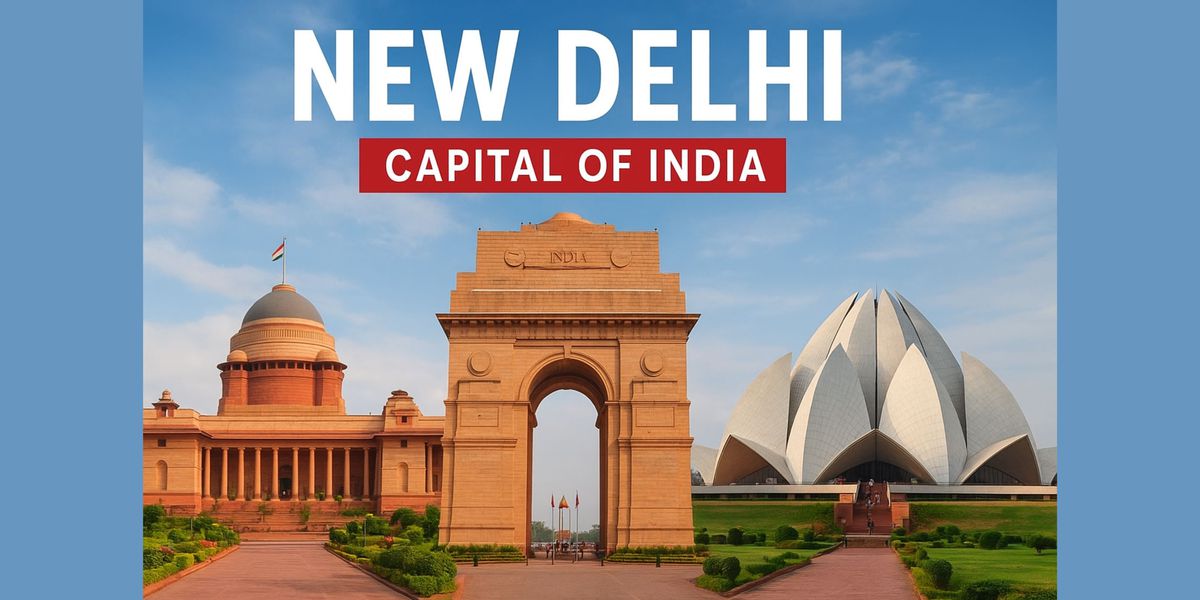
New Delhi – The Power Capital of India & Heart of Modern Democracy
New Delhi, the national capital of India, stands as a symbol of power, culture, architecture, and political heritage. Known for its wide tree-lined avenues, magnificent monuments, vibrant markets, diplomatic enclaves, and historic institutions, New Delhi is not just a city — it is the administrative soul of India.
From the iconic Rashtrapati Bhavan, seat of the President of India, to the majestic India Gate, New Delhi beautifully blends colonial-era grandeur with modern Indian dynamism.
Historical Background
New Delhi was officially inaugurated as the capital of British India in 1931, replacing Calcutta. It was designed by renowned British architects Sir Edwin Lutyens and Sir Herbert Baker, giving rise to the area called Lutyens' Delhi.
Historically, it stands adjacent to the ancient city of Delhi (Indraprastha), associated with the Mahabharata era. Over time, Delhi has seen multiple powerful empires — Mauryas, Delhi Sultanate, Mughals, Britishers, and finally modern India.
New Delhi became the capital of the Republic of India on 26 January 1950, the same day India adopted its Constitution.
The Presidency – Rashtrapati Bhavan
The most important landmark of New Delhi is Rashtrapati Bhavan, the official residence of the President of India.
Key Facts About the Presidency
-
Rashtrapati Bhavan is one of the world’s largest presidential residences, spread across 330 acres.
-
It has 340 rooms, beautiful Mughal Gardens, and massive ceremonial halls.
-
It was originally built as the Viceroy’s House during British India.
-
The President of India performs key ceremonial duties here, including:
-
Swearing-in of the Prime Minister
-
Appointment of Governors, Judges, and constitutional authorities
-
Hosting State banquets for foreign dignitaries
-
Award ceremonies like Padma Awards
Rashtrapati Bhavan is one of the world’s largest presidential residences, spread across 330 acres.
It has 340 rooms, beautiful Mughal Gardens, and massive ceremonial halls.
It was originally built as the Viceroy’s House during British India.
The President of India performs key ceremonial duties here, including:
-
Swearing-in of the Prime Minister
-
Appointment of Governors, Judges, and constitutional authorities
-
Hosting State banquets for foreign dignitaries
-
Award ceremonies like Padma Awards
The grandeur and authority of Rashtrapati Bhavan make it the center of India’s democratic and constitutional framework.
Top Tourist Destinations in New Delhi
1. India Gate
A war memorial dedicated to 84,000 Indian soldiers who died in World War I. The Amar Jawan Jyoti once burned here as a tribute to fallen heroes.
2. Akshardham Temple
A modern architectural wonder known for its grand carvings, exhibitions, and musical fountain shows.
3. Jama Masjid
One of India’s largest mosques, built by Mughal Emperor Shah Jahan. Its courtyard can hold 25,000 worshippers.
4. Red Fort (Lal Qila)
A UNESCO World Heritage Site and the venue for the Prime Minister’s Independence Day address.
5. National Museum
India’s largest museum showcasing artifacts from Harappan civilization to modern times.
6. Parliament House
The heart of India’s legislative process — where laws are debated and passed.
7. Lodhi Garden
A serene green patch housing 15th-century tombs, popular for morning walks.
8. Connaught Place (CP)
The business and nightlife hub of Delhi, known for cafés, brand stores, and colonial architecture.
9. Lotus Temple
A Baháʼí House of Worship admired worldwide for its lotus-shaped architecture and peaceful ambiance.
10. Hauz Khas Village
A blend of urban culture, art cafés, and a 14th-century lake-side fort.
Culture & Lifestyle of New Delhi
New Delhi is a melting pot of cultures — where tradition meets cosmopolitan modernity.
Key Cultural Elements
Home to national festivals, parades, and political events
-
Diverse population from every part of India
-
Vibrant art galleries, theaters, and cultural centers like Kamani Auditorium, National School of Drama, and India Habitat Centre
-
Buzzing nightlife in Hauz Khas, CP, and Gurgaon
-
World-class museums and heritage walks
Home to national festivals, parades, and political events
Diverse population from every part of India
Vibrant art galleries, theaters, and cultural centers like Kamani Auditorium, National School of Drama, and India Habitat Centre
Buzzing nightlife in Hauz Khas, CP, and Gurgaon
World-class museums and heritage walks
Major Historical Events Linked to New Delhi
-
1911: Delhi declared as new capital by King George V
-
1931: Inauguration of New Delhi
-
1947: First Indian Independence Day celebrated at Red Fort
-
1950: India becomes a Republic; Delhi becomes capital of the Republic
-
2020: Revamp of Central Vista and Parliament complex begins
-
2023: New Parliament building inaugurated
Are you moving New Delhi forward?
Local experts, journalists, representatives and activists — bring your action research and be credited for the milestones you move. No money changes hands here; the currency is your effort and analysis, donated to your community.
Get on the record →